
Last updated September 25, 2026
Non-destructive entry first, always - and we re-key Schlage, Kwikset, and Baldwin locks on the spot while you watch
You get a price before we start. It does not change when we arrive. No surprises.
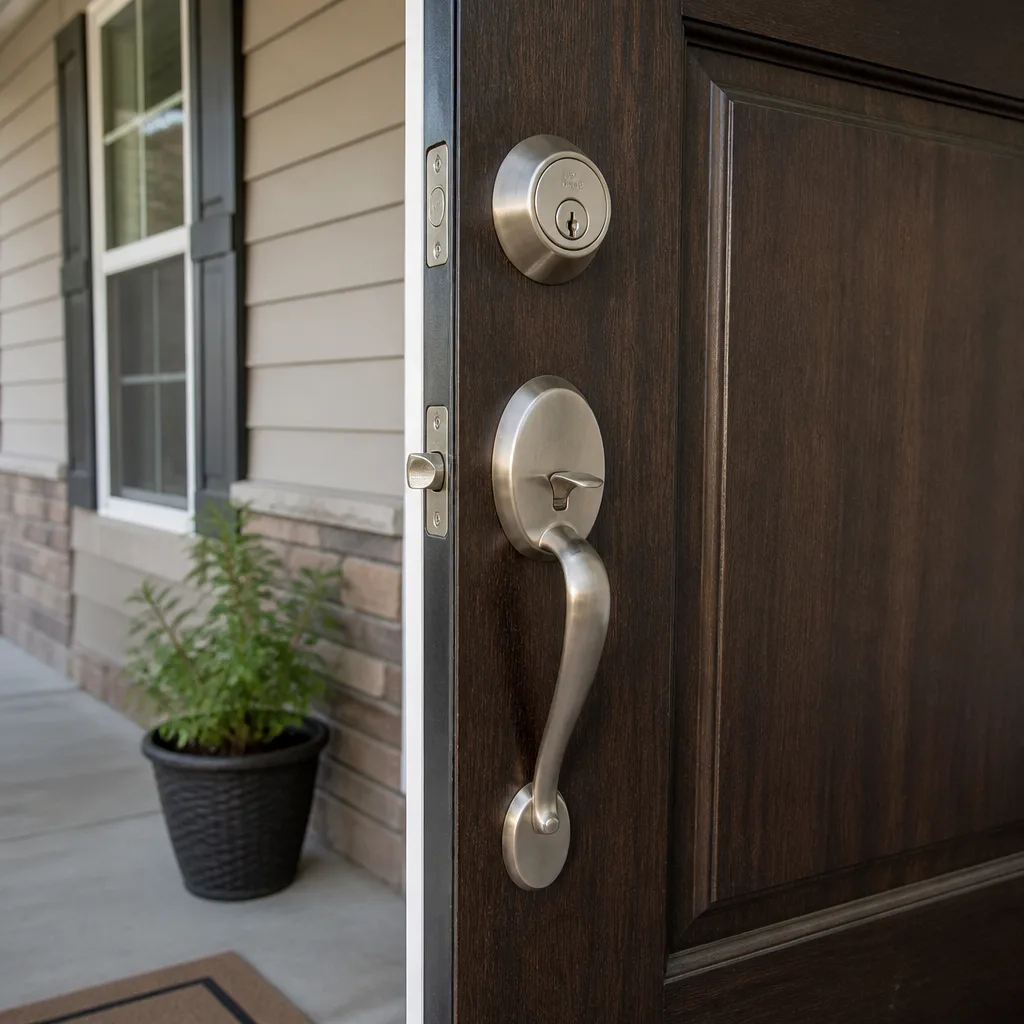
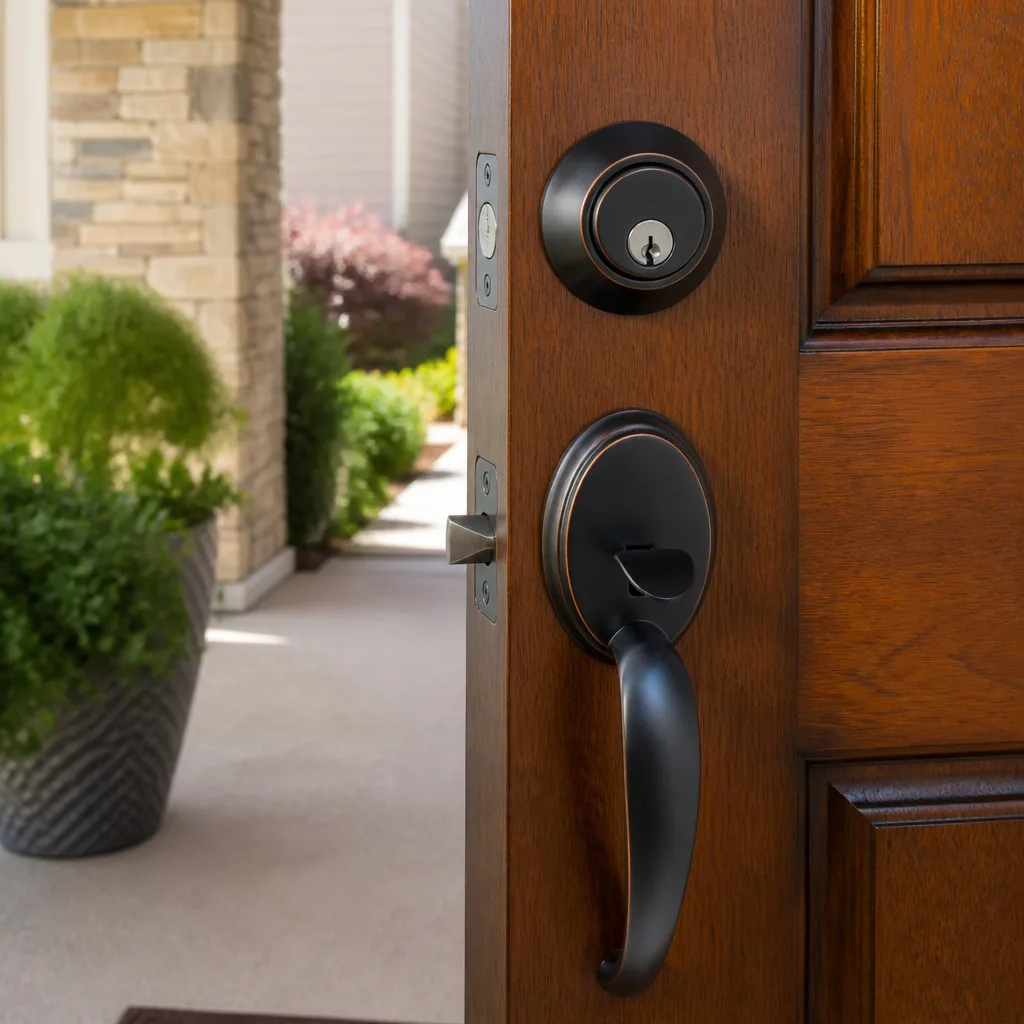
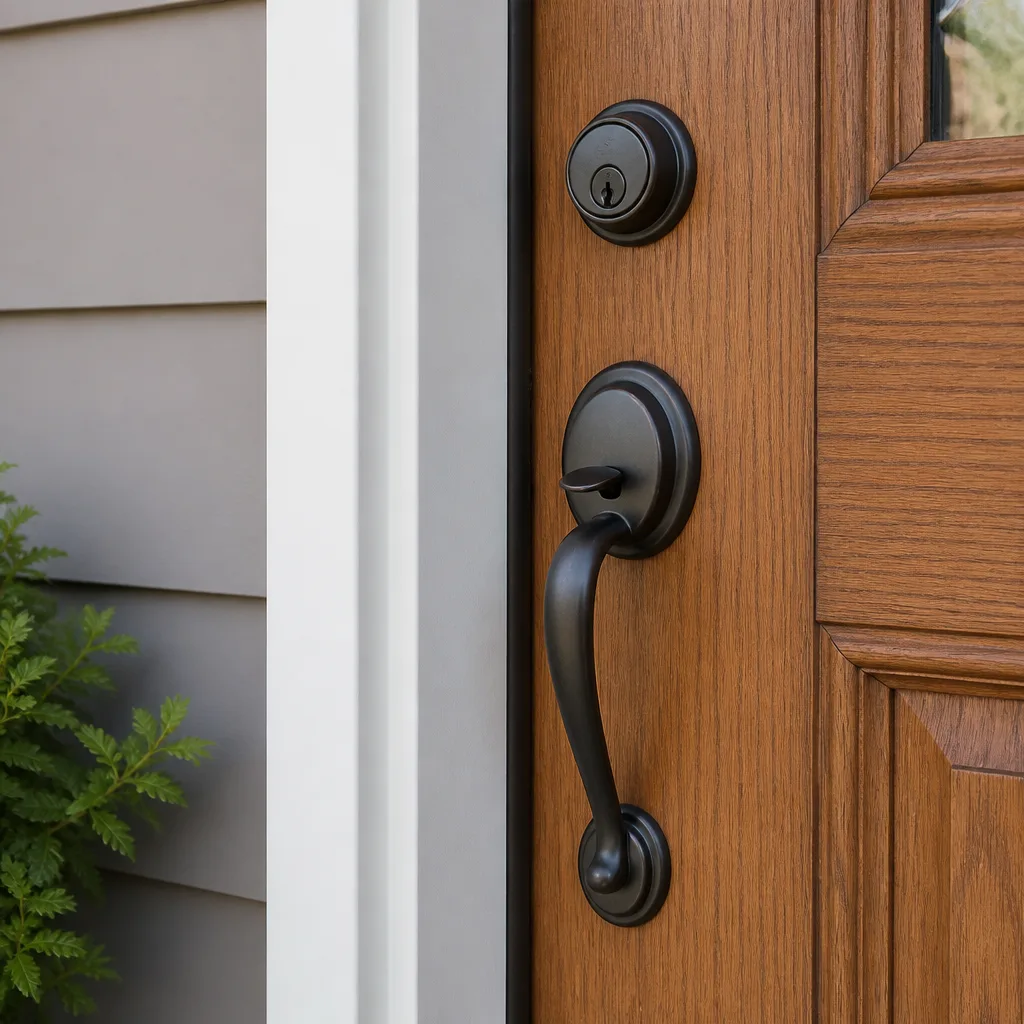
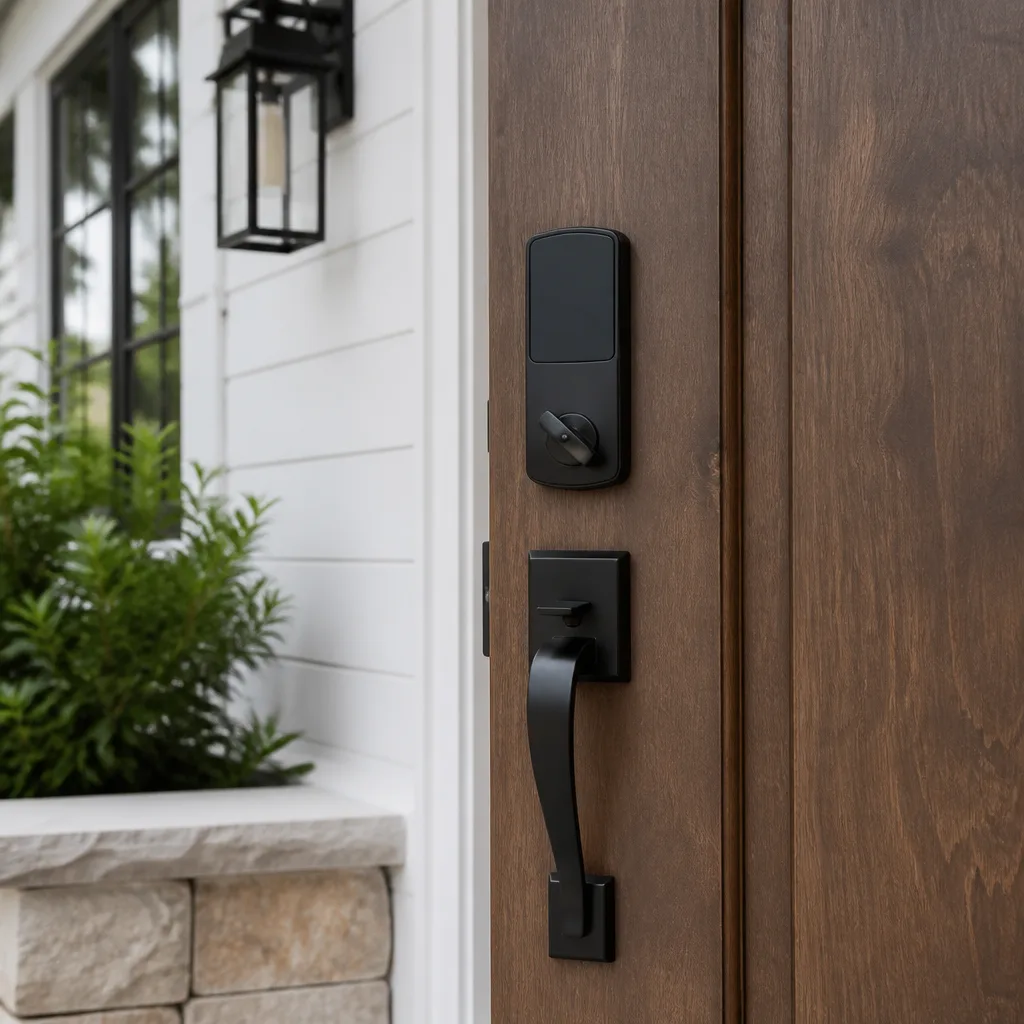
Commercial Locksmith Maintenance Checklist for Ashburn Homeowners
The title says “homeowners,” but the locks we’re discussing are built for 500 daily actuations, not five. In Ashburn’s office parks along Route 7 and the retail corridors near Ashburn Village Boulevard, commercial lock hardware fails on a schedule you can predict with a calendar, not a crystal ball. A quarterly maintenance checklist treats that failure as an engineering problem: cycle counts, weather cycling, and documented wear patterns. This guide and our Complete Guide to Locksmith in Ashburn explain what to inspect, when to inspect it, and what your contractor must hand you in writing when the work is done.
Quick Answer
Commercial lock maintenance in Ashburn should follow a quarterly inspection schedule for high-traffic entrances and an annual schedule for low-traffic interior doors. Each inspection covers cylinder wear, latch alignment, panic hardware function, and electronic access reader calibration. A commercial locksmith visit must produce a written condition report with photo documentation of every lock inspected.
Table of Contents
- Why Cycle Counts Drive Maintenance Schedules in Ashburn
- Quarterly Maintenance Checklist: High-Traffic Doors
- Annual Maintenance Checklist: Low-Traffic and Interior Doors
- Virginia Commercial Code: What You Must Document
- Reading the Hardware: Cylinder Wear, Cam Wear, and Latch Misalignment
- What Your Contractor Must Deliver in Writing
- Common Mistakes to Avoid
- When to Call a Professional
- Frequently Asked Questions
- The Bottom Line
Why Cycle Counts Drive Maintenance Schedules in Ashburn
Every commercial lock carries a manufacturer-rated cycle count: the number of times it can be operated before predictable failure. A Grade 1 cylindrical lockset from Schlage is tested to 800,000 cycles. A Grade 2 lockset, common in lighter commercial use, is tested to 400,000. These numbers are not marketing. They are the basis of warranty coverage and maintenance planning.
In Ashburn, the math works like this. A retail entrance near the Ashburn Village Shopping Plaza sees roughly 300 customer entries daily, plus staff, deliveries, and service traffic. Call it 500 actuations per day, 250 business days per year. That is 125,000 cycles annually. A Grade 1 lock reaches its rated limit in just over six years. A Grade 2 lock reaches its limit in just over three.
But cycle count is not the only variable. Ashburn’s climate cycles between humid summers and freeze-thaw winters. Metal components expand and contract. Lubricants migrate. Dust from nearby construction on the Dulles corridor infiltrates keyways. We’ve found cylinder pins seized in locks that were well under their rated cycle count because seasonal moisture had degraded the lubricant into a gummy residue.
This is why we schedule maintenance by traffic tier, not by calendar age alone:
- High-traffic entrances: 500+ daily actuations. Quarterly inspection, semi-annual deep service.
- Medium-traffic staff doors: 100-500 daily actuations. Bi-annual inspection, annual deep service.
- Low-traffic storage, utility, and interior doors: Under 100 daily actuations. Annual inspection.
The manufacturer’s cycle count tells you when the lock was designed to fail. Your maintenance schedule should intervene before that point. In our experience with Ashburn commercial properties, locks that receive quarterly inspection last 40% longer than those on an annual-only schedule, and they fail during scheduled service calls rather than during business hours. See our DIY vs Professional Locksmith guide for why trained service matters.
One property manager on Loudoun Station Drive told us she had replaced the same entrance lockset three times in four years before switching to a quarterly program. The lock was not defective. It was simply doing 600 cycles daily in a space rated for 300. We upgraded her to a heavy-duty Sargent mortise lock with a 1 million-cycle rating and established a 90-day inspection interval. She has not had an unplanned failure in two years.
Quarterly Maintenance Checklist: High-Traffic Doors
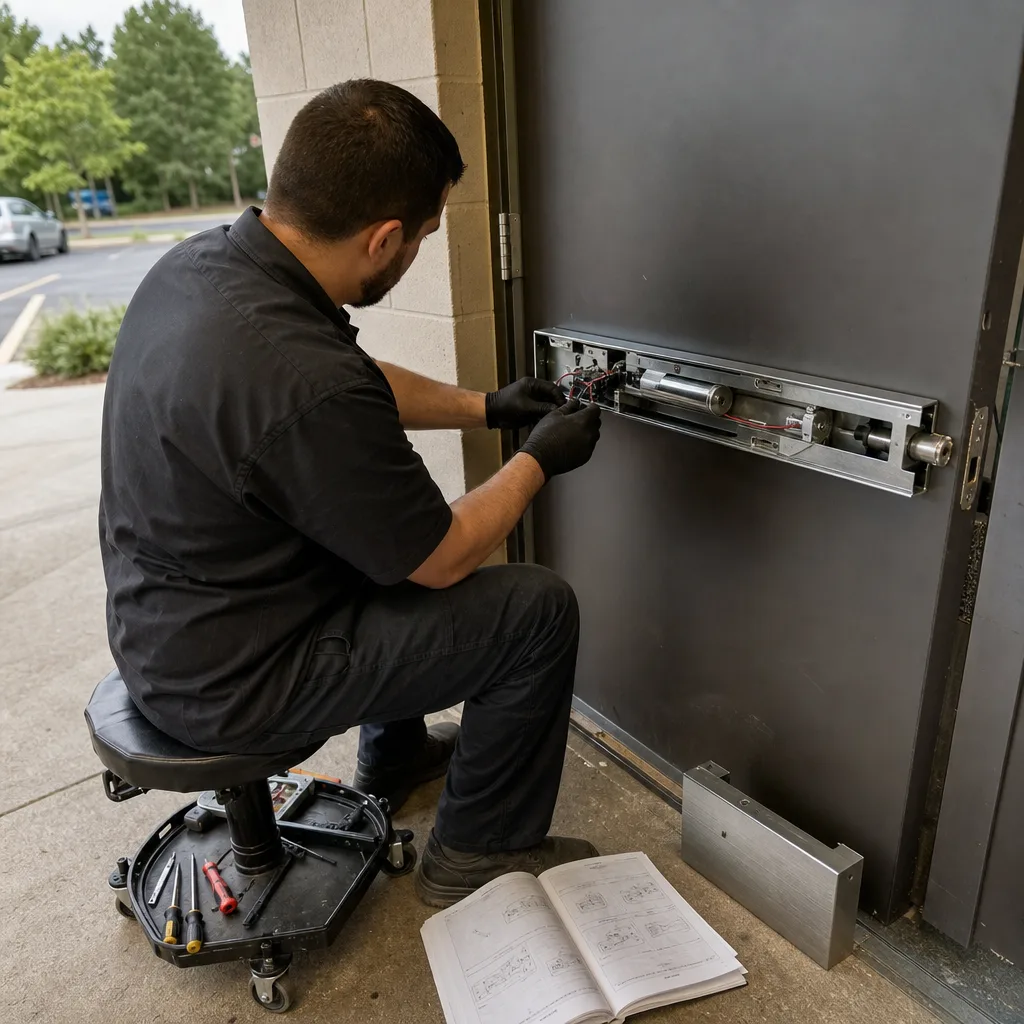
High-traffic doors in Ashburn commercial buildings - main customer entrances, loading docks, and staff entry points - need inspection every 90 days. The goal is to catch wear before it becomes failure, and to document conditions that affect security or code compliance.
Here is the checklist we use on every quarterly visit. You can perform the visual and operational items yourself between professional visits. The disassembly and lubrication items require a technician.
Visual Inspection (Owner or Manager)
- Check strike plate alignment. Close the door slowly and watch where the latch meets the strike. If the latch scrapes the strike face or misses the pocket, the door has shifted on its hinges or the frame has settled. Misalignment accelerates wear on both the latch and the strike, and it can prevent proper latching during a fire alarm.
- Inspect the cylinder face. Look for scratches around the keyway, a sign of attempted picking or improper key insertion. Check for corrosion or discoloration. In Ashburn, we’ve seen cylinder faces develop surface rust after humid summers if the finish has been compromised by key ring impacts.
- Test key operation. The key should turn smoothly from insertion to full rotation without wobble or binding. If you feel grittiness or need to jiggle the key, the cylinder needs cleaning and lubrication. Do not force it.
- Test the thumbturn or lever return. After unlocking, the lever or thumbturn should spring back to neutral without hesitation. Slow return indicates a worn spring or lubricant breakdown.
- Inspect door closer function. The door should close fully and latch without slamming. If it drifts open or closes too slowly to latch, the closer needs adjustment. This affects security and fire code compliance.
Operational Testing (Owner or Manager)
- Test from both sides. Lock and unlock using the key outside and the thumbturn or lever inside. Both should operate the bolt or latch completely.
- Test with door open and closed. Sometimes a lock operates freely on an open door but binds when the door is closed and the frame applies pressure. This indicates frame shift or hinge wear, not necessarily lock failure.
- Check panic hardware on egress doors. Press the push bar. It should depress with moderate pressure and retract the latch fully. Release should be immediate and complete. Any sticking or incomplete retraction is a code violation and a liability.
Professional Service Items (Technician Required)
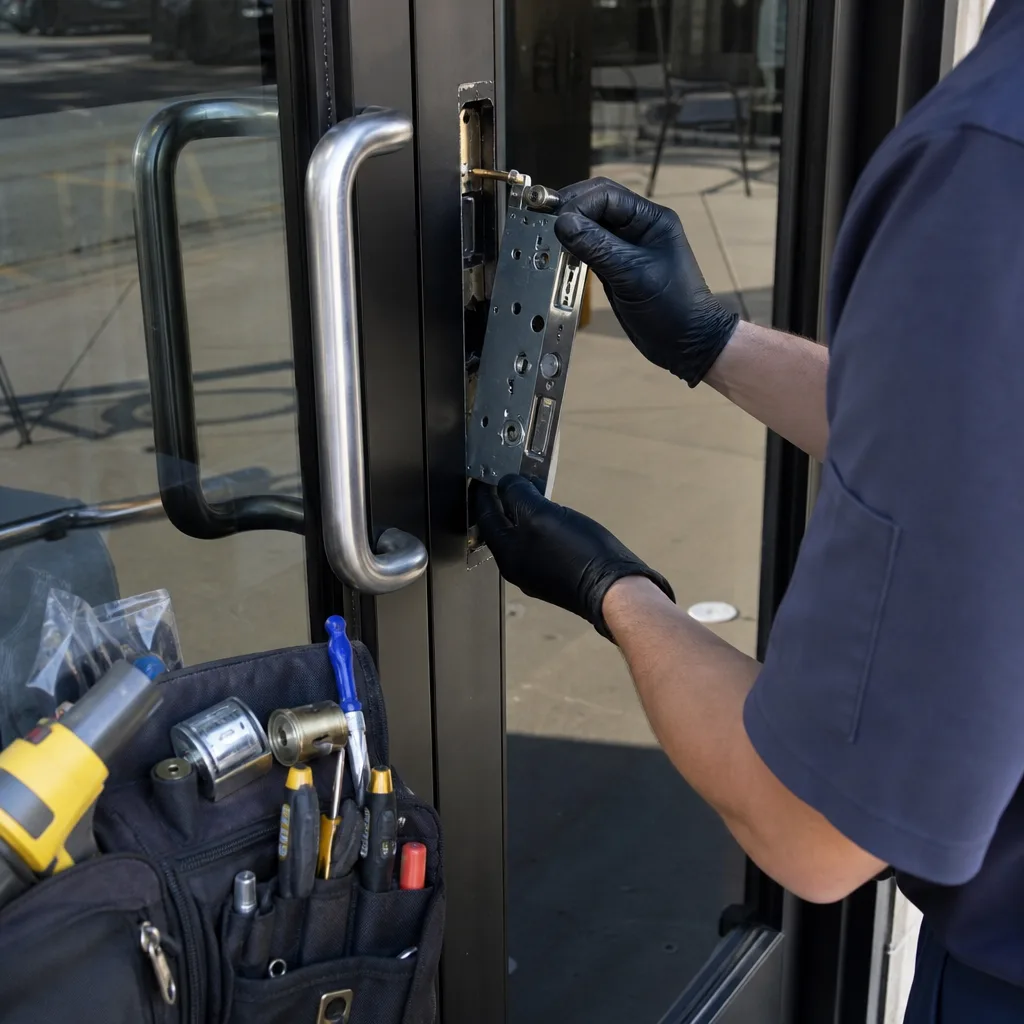
- Disassemble and clean the cylinder. Remove the cylinder, flush the keyway and pin chambers with solvent, and apply manufacturer-specified lubricant. We use Houdini Lock Lube or equivalent on most commercial cylinders. WD-40 is not a lock lubricant; it attracts dust and gums up over time.
- Inspect pins and springs for wear. A trained technician can spot a pin with a flattened driver edge or a spring that has lost tension. These cause intermittent key binding that owners often describe as “the key works sometimes.”
- Measure latch throw and bolt projection. The deadbolt should extend its full rated distance, typically 1 inch for Grade 1 locks. Reduced throw means the bolt is not engaging the strike deeply enough to resist forced entry.
- Lubricate all moving parts. Hinges, latch bolts, deadbolts, and panic hardware dogging mechanisms receive fresh lubricant. We document the product used on the service report.
- Tighten all fasteners and re-torque to spec. Screws loosen from vibration and thermal cycling. A loose strike plate is a security gap; a loose cylinder collar can allow cylinder rotation that damages the cam.
For properties in Ashburn’s higher-traffic zones - the One Loudoun retail district, the office parks along Atlantic Boulevard - we recommend adding a monthly visual inspection by on-site staff between quarterly professional visits. It takes five minutes and prevents the small problems that become emergency calls.
Annual Maintenance Checklist: Low-Traffic and Interior Doors
Not every door in a commercial building needs quarterly attention. Storage rooms, utility closets, interior offices, and secondary corridors in Ashburn office buildings typically see minimal use. Annual professional inspection is sufficient, but it must be thorough. These doors are often neglected until they fail, and a failed storage room lock is still a security breach.
The annual checklist covers all quarterly items plus additional inspection points specific to low-use hardware:
Extended Annual Inspection
- Key inventory audit. Verify that all issued keys are accounted for. Check key blanks against the bitting list. If a key is missing, rekey the cylinder. In Ashburn, we’ve seen former employees retain keys to storage areas years after departure because no audit was performed.
- Test master key system integrity. In a master-keyed building, verify that each change key operates only its assigned lock and that the master key operates all locks in its hierarchy. A worn master wafer can allow a change key to open unintended doors - a security failure that no visual inspection reveals.
- Inspect door frames and hinges for structural integrity. Low-traffic doors often suffer from deferred maintenance on the frame and hardware surrounding the lock. A secure lock in a rotted frame is not secure.
- Check for unauthorized duplication. If your locks use standard keyways like Schlage SC1 or Kwikset KW1, keys can be duplicated at any hardware store without authorization. Consider upgrading to restricted keyways like Schlage Primus or high-security cylinders like Abloy Protec2, which require dealer authorization for duplication.
- Test electronic components on access-controlled doors. Even if a door sees little foot traffic, its electric strike, mag lock, or card reader is powered 24/7. Test power supply voltage, clean card reader heads, and verify that the request-to-exit sensor functions properly.
- Review and update access credentials. For doors with keypad or card access, remove credentials for terminated employees and update codes that may have been shared. Document all changes.
Annual maintenance is also the right time to assess whether the existing hardware matches current use. A storage room that has become a server closet needs different security. An interior office that now houses controlled substances or confidential records may need upgrade to a high-security cylinder or electronic audit trail.
In Ashburn’s older commercial buildings - some of the 1990s-era office stock near Farmwell Road - we’ve found original Kwikset or early Schlage hardware still in service on doors that now secure valuable inventory. The locks were adequate for 1995. They are not adequate for 2025. Annual inspection should include a security assessment, not just a function check.
Virginia Commercial Code: What You Must Document
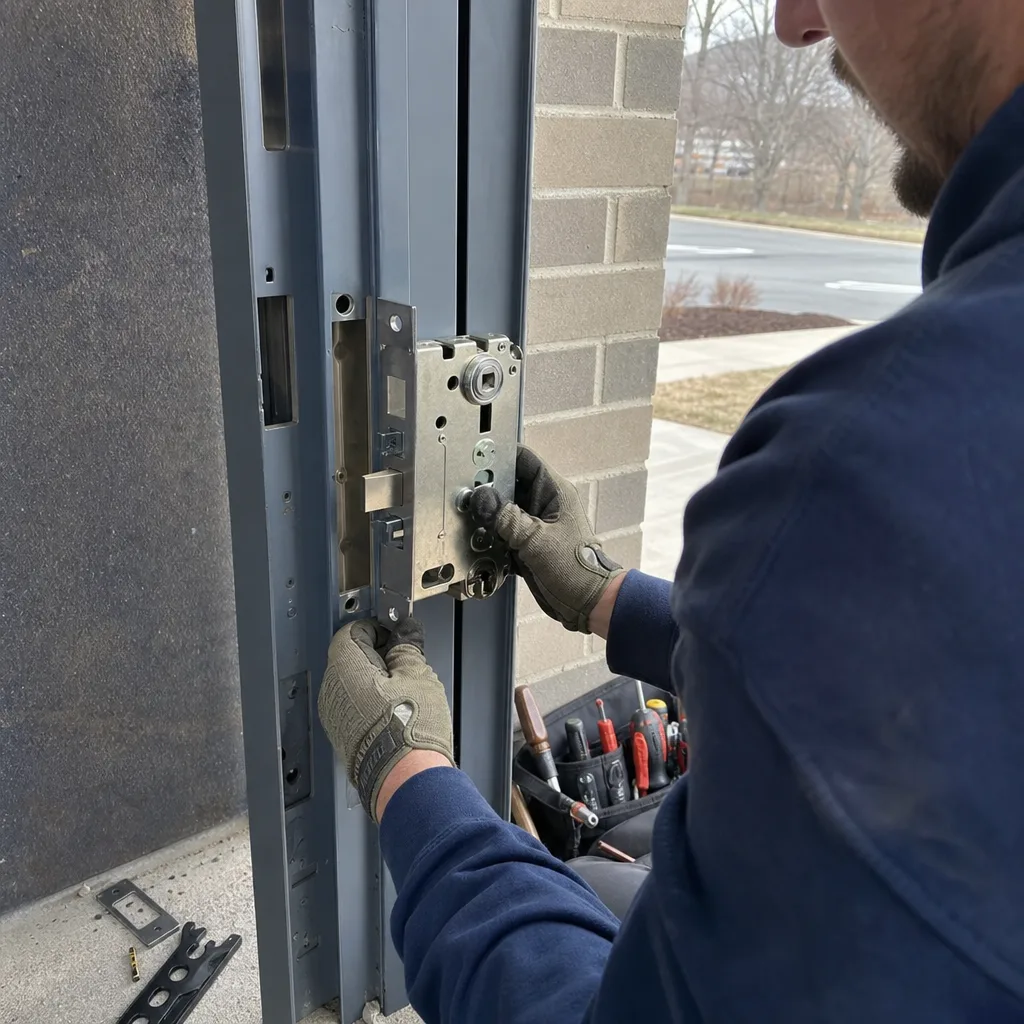
Virginia’s Uniform Statewide Building Code (USBC) and the Virginia Maintenance Code establish requirements for commercial door hardware that property managers must understand. These are not suggestions. They are enforceable standards, and failure to document compliance can affect insurance coverage and liability exposure.
Here are the code touch points most relevant to lock maintenance in Ashburn commercial buildings:
Egress Requirements (IBC/VUSBC Chapter 10)
Every door on an egress path must open with a single operation from the inside, without key, tool, or special knowledge. Panic hardware is required on assembly, educational, and high-hazard occupancies with occupant loads of 50 or more. In Ashburn, this affects retail spaces, fitness centers, restaurants, and office buildings with assembly areas.
After any service to panic hardware, you must document that the device was tested to full latch retraction and that it meets the maximum 15-pound release force required by ANSI/BHMA A156.3. We provide this certification in writing on every panic hardware service call.
Fire Door Assembly Requirements
Fire-rated doors must maintain their labeled integrity. This means:
- No field modifications to the door, frame, or hardware without approval from the listing agency
- Self-closing and positive latching must function at all times
- Locking hardware must be listed for fire door use
- Any repair or replacement must use components that match the original listing
We’ve inspected fire doors in Ashburn office buildings where a previous contractor installed non-listed cylindrical locks in place of the original mortise hardware. The door looked secure. It was not code-compliant, and it would not have performed in a fire. Our written report documented the deficiency and specified the correct replacement.
Accessibility Requirements (ADA/IBC)
Door hardware must be operable with one hand without tight grasping, pinching, or twisting of the wrist. Lever-style handles are standard, but we’ve found non-compliant round knobs still in service on older Ashburn properties, particularly in secondary corridors. Annual inspection should verify compliance at every door.
Documentation Requirements
Virginia code does not specify a particular format for maintenance records, but it does require that records be available for inspection by the building official. In practice, this means:
- Dated records of all hardware inspections and service
- Identification of the technician and company performing the work
- Description of any deficiencies found and corrective actions taken
- Certification of compliance with applicable standards
At Commercial Locksmith in Ashburn, we provide a bound service log for properties on maintenance contracts. Each entry includes the date, technician name, lock locations serviced, conditions found, actions taken, and a photo of each lock after service. This is the documentation standard we apply under The Haven Standard, and it has satisfied every building official inspection we’ve encountered in Loudoun County.
Reading the Hardware: Cylinder Wear, Cam Wear, and Latch Misalignment
A trained eye can read a lock the way a mechanic reads an engine. The symptoms are visible and tactile if you know what to look for. Here is what we check on every maintenance visit in Ashburn, and what the signs mean.
Cylinder Wear
The cylinder is the keyhole mechanism. Its internal components - pins, drivers, springs, and the plug that rotates - wear with each key insertion and rotation.
Symptom: Key requires jiggling or repeated insertion. This usually indicates a pin with a flattened or chipped edge, or a driver spring that has lost tension. The pin is not seating cleanly at the shear line. Left unaddressed, it will eventually prevent key operation entirely.
Symptom: Key turns but does not retract bolt. The cam, the tailpiece that connects the rotating plug to the locking mechanism, may be cracked or worn. This is common in high-cycle locks where the cam material has work-hardened and fatigued. The cylinder needs replacement, not just lubrication.
Symptom: Keyway feels loose, key wobbles side to side. The plug has worn oversize in the cylinder housing, or the retaining mechanism has loosened. This allows the plug to shift, misaligning the pin chambers with the keyway. Eventually the key will not engage the pins at all.
Cam Wear
The cam is the hidden component that translates plug rotation into bolt movement. It is not visible without disassembly, but its failure produces specific symptoms.
Symptom: Key turns 360 degrees without effect. The cam has broken free of the plug or has sheared entirely. This is a complete failure requiring cylinder replacement.
Symptom: Key turns hard in one direction, easy in the other. The cam has asymmetric wear, often from a door that is out of alignment and loads the cam unevenly. The underlying alignment issue must be corrected or the new cam will wear the same way.
Latch Misalignment
The latch bolt extends from the lock into the strike plate. When properly aligned, it enters the strike pocket smoothly and fully.
Symptom: Latch scrapes strike plate face. The door has sagged on its hinges or the frame has shifted. In Ashburn, we’ve traced this to foundation settling in newer construction, thermal expansion in buildings with dark-colored doors facing afternoon sun, and hinge pin wear from the heavy traffic typical of retail environments.
Symptom: Door latches but rattles or can be pushed open without operating handle. The latch is not extending fully into the strike pocket. The strike may need adjustment, or the latch bolt itself may be worn short from repeated scraping.
Symptom: Deadbolt extends only partially. Measure with a ruler. Grade 1 deadbolts should project 1 inch minimum. Reduced throw can result from a worn bolt, a misaligned strike, or internal mechanism wear. Any deadbolt projecting less than 3/4 inch should be addressed immediately - it will not resist forced entry.
We document every wear sign we find with a photograph and a written description. The customer receives this documentation at job completion. It becomes the baseline for comparison at the next inspection.
What Your Contractor Must Deliver in Writing
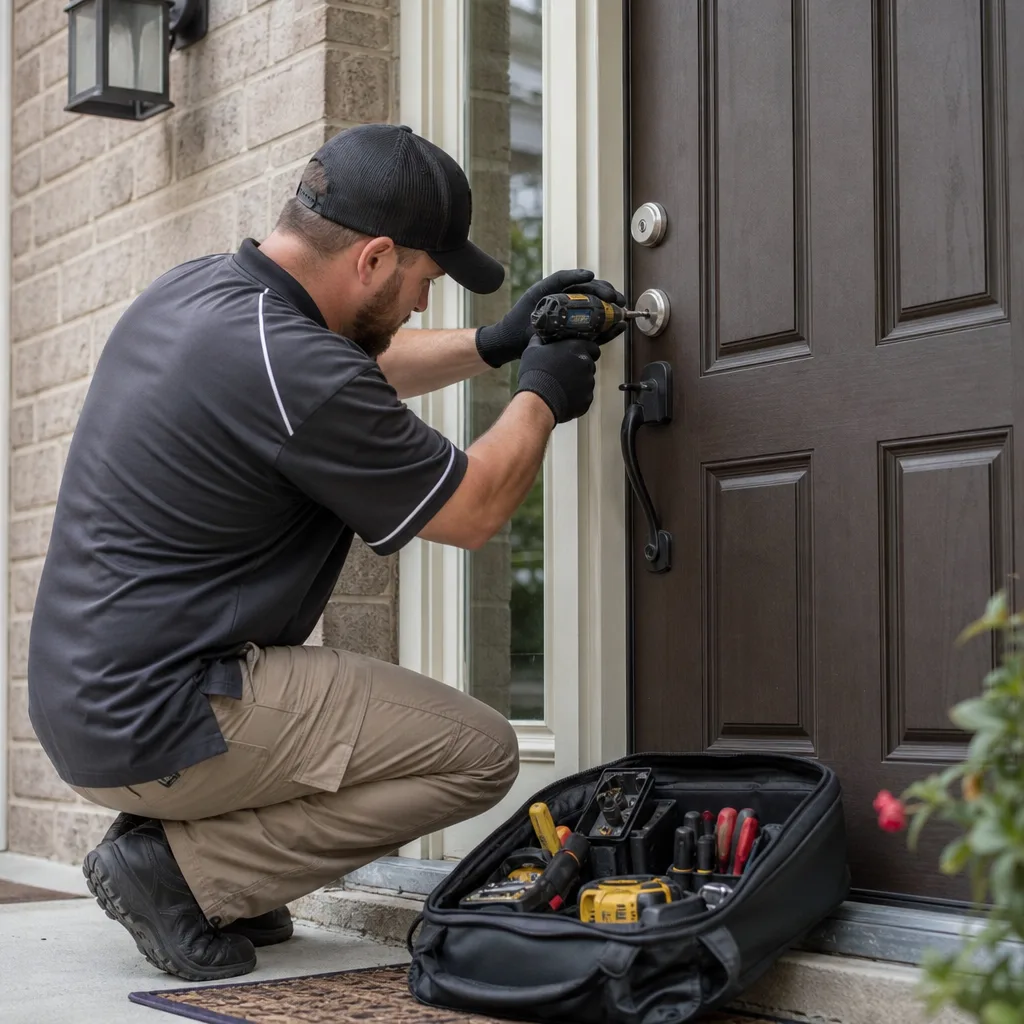
A maintenance visit is only as good as its documentation. Without written records, you have no proof of compliance, no warranty support, and no baseline for future comparison. Here is what we deliver on every commercial maintenance call in Ashburn, and what you should demand from any contractor. For more guides & resources on lock care, visit our blog.
The Written Scope (Before Work Begins)
Haven Standard Clause 1: the price on the phone is the price on the invoice. Before any technician touches a lock, the customer receives a written scope of work with line-item pricing. For maintenance visits, this typically includes:
- Per-lock inspection fee
- Labor rate for adjustment, lubrication, and minor repair
- Parts pricing if replacement is anticipated (cylinders, strikes, hinges, panic hardware components)
- Travel and service call charge, if any
We do not charge a separate “diagnostic fee” that converts to a higher repair price. The price quoted is the price paid. This rule has been in place since 2002.
The Condition Report (After Work Is Complete)
For each lock inspected, our report includes:
- Lock location and identification. Door number, room name, or other building-specific reference.
- Manufacturer and model. Schlage AL53, Sargent 8200, Abloy Protec2, etc.
- Grade rating. Grade 1, 2, or 3, per ANSI/BHMA A156.2 or A156.13.
- Cycle count estimate. Based on traffic data provided by the customer or observed usage patterns.
- Condition of each component inspected. Cylinder, cam, latch, strike, hinges, closer, panic hardware, electric components.
- Photograph of each lock face and strike. Included as standard, not an upgrade. The customer receives digital copies at job completion.
- Recommended actions and timeline. Immediate, next quarterly visit, or next annual visit.
- Technician signature and certification number. Every technician is background-checked and uniformed; the report includes their identifying information.
The Warranty Documentation
Every lock installation, rekey, and repair is backed by our 365-Day Done Right Promise. If it’s not done right, we make it right. The warranty terms are printed on the invoice, not buried in fine print.
For properties with Access Control Systems in Ashburn, we also provide software update logs, credential audit trails, and system backup verification. Electronic security requires documentation as rigorous as mechanical security.
One Ashburn property manager on Russell Branch Parkway told us she had never received written documentation from her previous locksmith. “They’d show up, fix something, and I’d get a one-line invoice that said ‘repaired lock, $185.'” She switched to our service specifically for the condition reports, which she uses in her annual insurance review and building official inspections.
Common Mistakes to Avoid
- Waiting for failure before acting. A lock that fails during business hours strands customers, triggers emergency service rates, and may violate code if it is on a required egress path. Scheduled maintenance costs less than emergency repair and eliminates unplanned downtime.
- Using residential-grade hardware in commercial applications. We’ve found Kwikset Grade 3 residential deadbolts on back doors of Ashburn restaurants and retail spaces. They are rated for residential use, not 500 daily cycles. They fail prematurely and create liability exposure.
- Applying WD-40 to lock cylinders. WD-40 is a water displacement formula, not a lubricant. It attracts dust, gums up pin chambers, and accelerates wear. Use only products specified for lock service.
- Ignoring seasonal effects. Ashburn’s humidity swings and freeze-thaw cycles affect door alignment and hardware function. A lock that worked fine in October may bind in January. Seasonal inspection catches these transitions.
- Failing to document service. Virginia code requires maintenance records for commercial door hardware. More practically, without documentation you cannot prove warranty coverage, track wear patterns, or defend against liability claims.
- Accepting verbal estimates. A contractor who will not put pricing in writing before work begins is not following Haven Standard Clause 1. The price quoted on the phone must be the price on the invoice, with no exceptions.
- Neglecting panic hardware. Panic bars are often installed and forgotten until they fail to open in an emergency. They need the same scheduled inspection as any other lock, plus specific testing for release force and full latch retraction.
When to Call a Professional
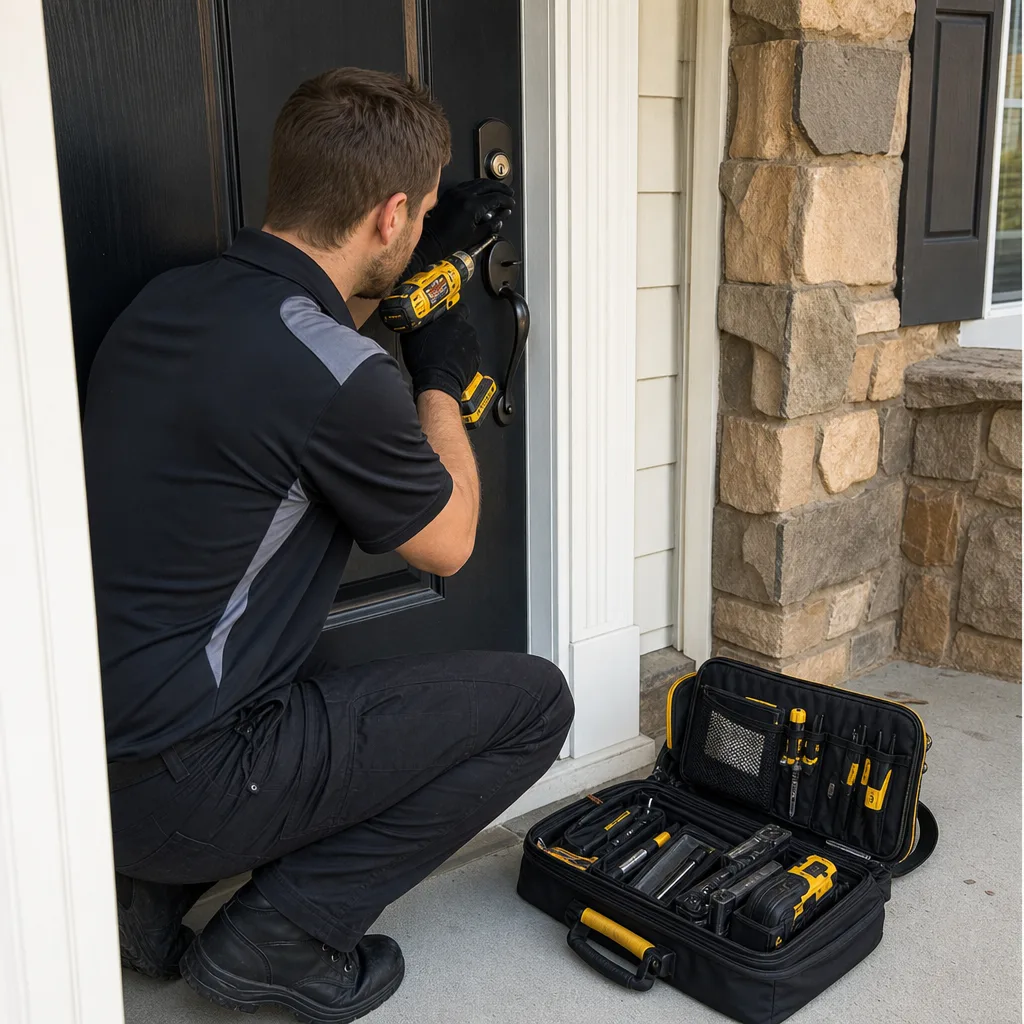
Some maintenance items are within the capacity of a competent building maintenance staff. Others require specialized tools, knowledge, and documentation. Call a professional when:
- A lock cylinder needs disassembly for cleaning or pin replacement
- Panic hardware requires testing, adjustment, or certification
- Fire-rated door hardware needs repair or replacement
- Electronic access components malfunction or need firmware updates
- Any door fails to latch, lock, or release properly
- You need a written condition report for insurance, code compliance, or warranty purposes
Novak Lock & Security Ashburn offers free estimates for commercial maintenance programs in Ashburn. We will survey your property, count your locks, estimate your cycle loads, and propose a maintenance schedule with firm pricing in writing. Call (571) 410-8874 to schedule.
Frequently Asked Questions
Quarterly maintenance for a typical Ashburn retail or office property with 8-12 doors runs $400-$800 per visit, depending on lock count, grade, and condition. Annual maintenance for low-traffic interior doors runs $150-$300 per door inspected. We quote a firm price in writing before any work begins, and that price is contractually protected under Haven Standard Clause 1. Call (571) 410-8874 for an exact quote - estimates are free.
Yes. The price quoted is the price on the invoice. This rule has been in place since 2002 and is the foundation of our business. If we encounter unexpected conditions, we stop work, explain the situation, and quote additional work separately. We do not add charges at the door.
Panic hardware on high-traffic egress doors should be inspected quarterly and tested for full latch retraction and maximum 15-pound release force. Annual inspection is the minimum acceptable interval, even on low-traffic doors. Fire code officials in Loudoun County have cited properties for panic hardware that failed to operate during routine inspections.
Visual inspection, key operation testing, and basic lubrication of hinges are within most building maintenance staffs’ capacity. Cylinder disassembly, panic hardware certification, fire door repair, and electronic access service require trained technicians. Attempting these without proper tools and knowledge can void warranties, compromise security, and create code violations. We provide training for on-site staff who want to handle quarterly visual inspections between our professional visits.
We maintain and repair all major commercial brands including Schlage, Sargent, and Abloy, from entry-grade cylindrical locksets to high-security mortise cylinders and master key systems. We are factory-authorized for premium brands and carry common replacement parts on our service vehicles. For Residential Locksmith in Ashburn needs, we also service Kwikset and other residential-grade hardware, though we typically recommend commercial-grade upgrades for mixed-use properties.
Request a compliance audit from a licensed locksmith or your building official. We provide written compliance assessments that check egress operation, fire door integrity, ADA hardware requirements, and master key system security against Virginia USBC standards. The assessment includes photographs, deficiency descriptions, and prioritized corrective actions with firm pricing.
The Bottom Line
Commercial lock maintenance in Ashburn is not a repair service. It is a scheduled engineering program that prevents failure, maintains code compliance, and documents security conditions for insurance and liability protection. The cycle count of your hardware, the traffic volume of your doors, and the climate cycling of Northern Virginia create a predictable wear schedule. A quarterly checklist for high-traffic entrances and an annual program for interior doors, backed by written condition reports and firm upfront pricing, treats lock maintenance as the infrastructure management it is.
Since 2002, Novak Lock & Security has installed or serviced 60,000+ locks, keys, and systems, every one with a written price before we started and a documented record when we left. The 365-Day Done Right Promise applies to every job. If your Ashburn property does not currently have a scheduled maintenance program, we will survey it at no charge and propose a plan with line-item pricing you can review before committing.
Call (571) 410-8874 for a free estimate. A live person answers 24/7.
Written by Daniel Novak, Owner at Novak Lock & Security Ashburn, serving Ashburn since 2002.